
When Disaster Strikes, Families Still Give Birth
Protecting pregnant, postpartum, and newborn families during crisis through perinatal disaster response, community education, and coordinated support.
RESPITE the System and the Perinatal Health Coalition work to strengthen maternal and infant health during emergencies through supply coordination, infant feeding education, advocacy, and preparedness initiatives.
Perinatal Disaster Relief
Pregnancy does not stop during disasters. Newborns still need to feed every few hours. Postpartum recovery continues even when infrastructure fails. Families still need support when systems are overwhelmed.
Yet emergency response systems rarely account for the unique needs of pregnant people, newborns, and postpartum families.
The Perinatal Disaster Relief initiative from RESPITE the System works to close that gap by strengthening maternal and infant health support during emergencies.
Impact
• Weeks of on the ground disaster response across Western North Carolina and Tennessee
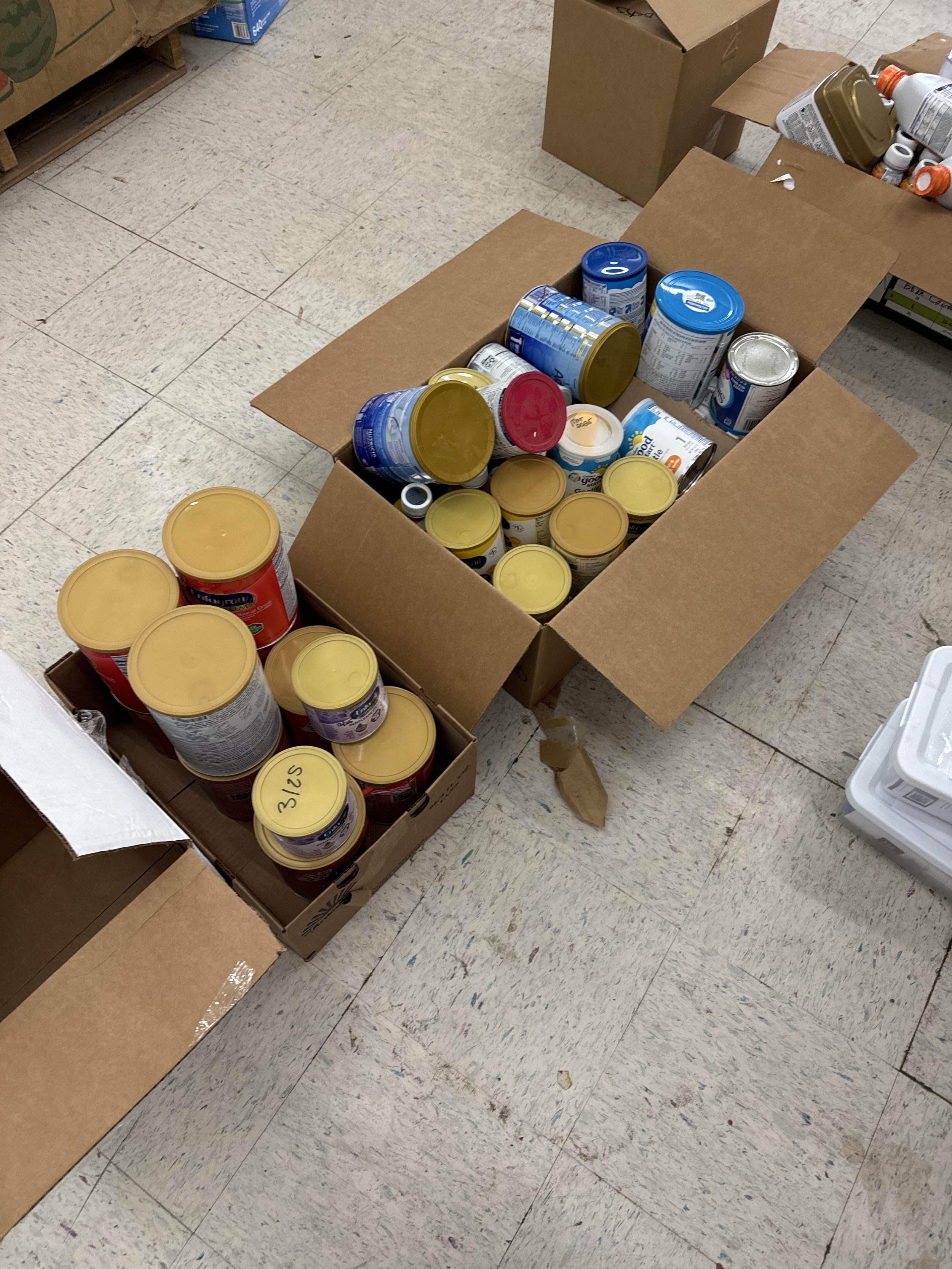
• Thousands of expired formula cans identified and removed from relief supply hubs
• Infant Feeding in Emergencies education provided to volunteers and families
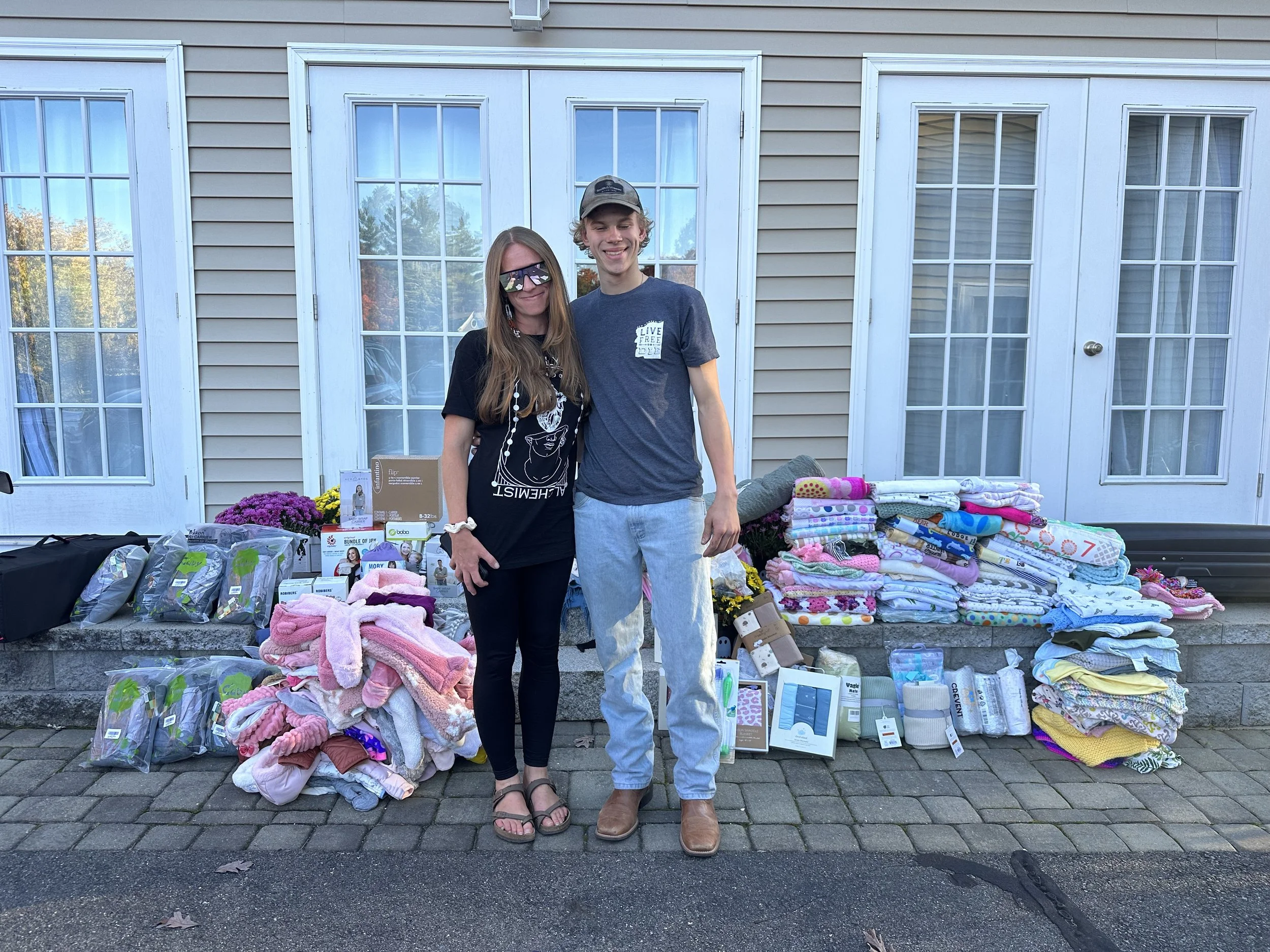
• Over 100 baby carriers delivered to support infant regulation and caregiver mobility
• Hundreds of blankets and essential supplies distributed to displaced families
• Midwifery supply kits delivered to support community birth providers
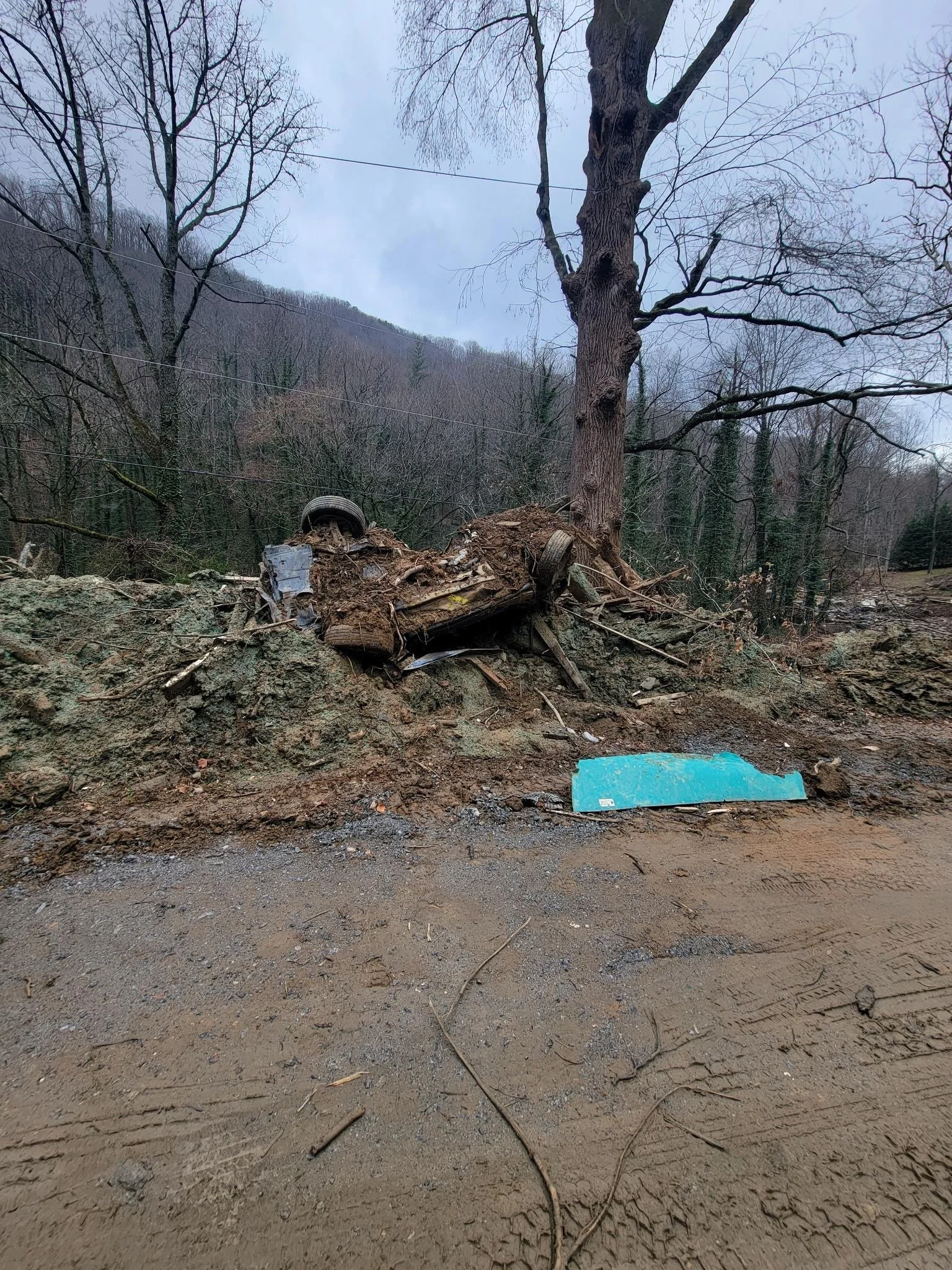
Field Response After Hurricane Helene
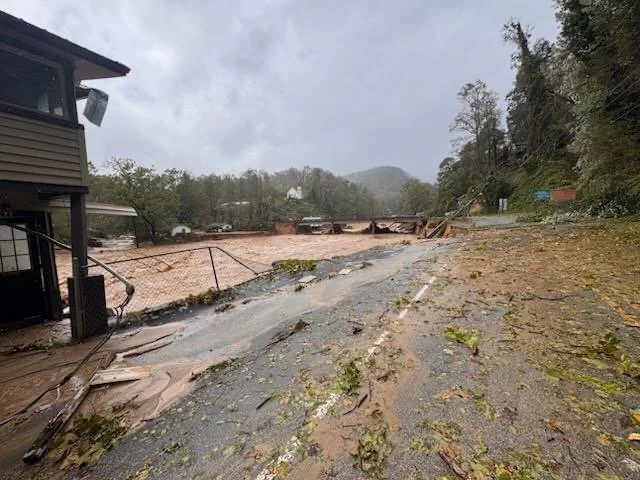
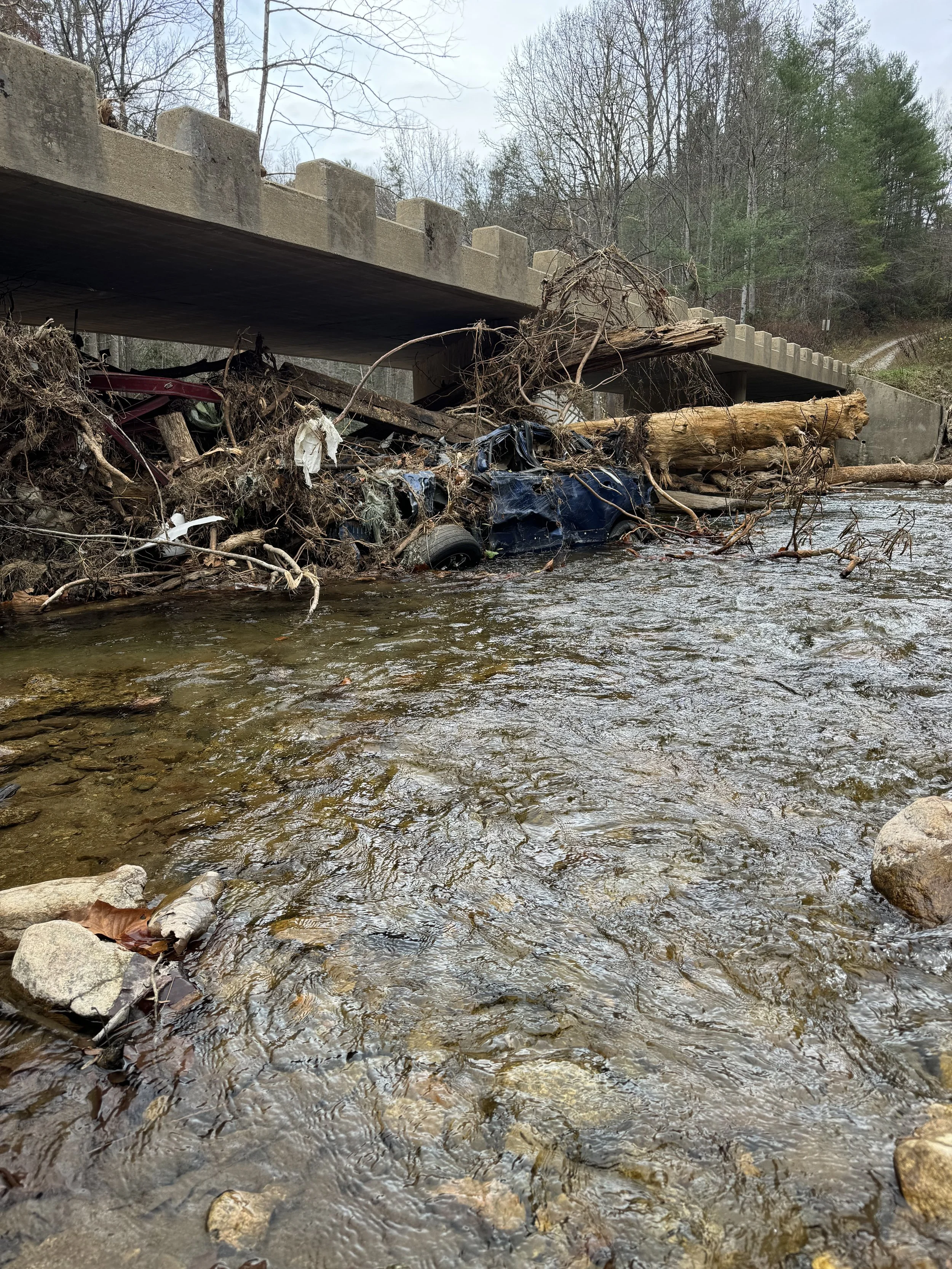
In 2024, when Hurricane Helene devastated parts of Western North Carolina, members of the birth community mobilized to support families navigating pregnancy, birth, and infant care during the crisis.
Local businesses and community members stepped forward to help gather supplies. Donations from companies including Home Depot and Walmart helped support the collection of critical materials for families and birth professionals on the ground.
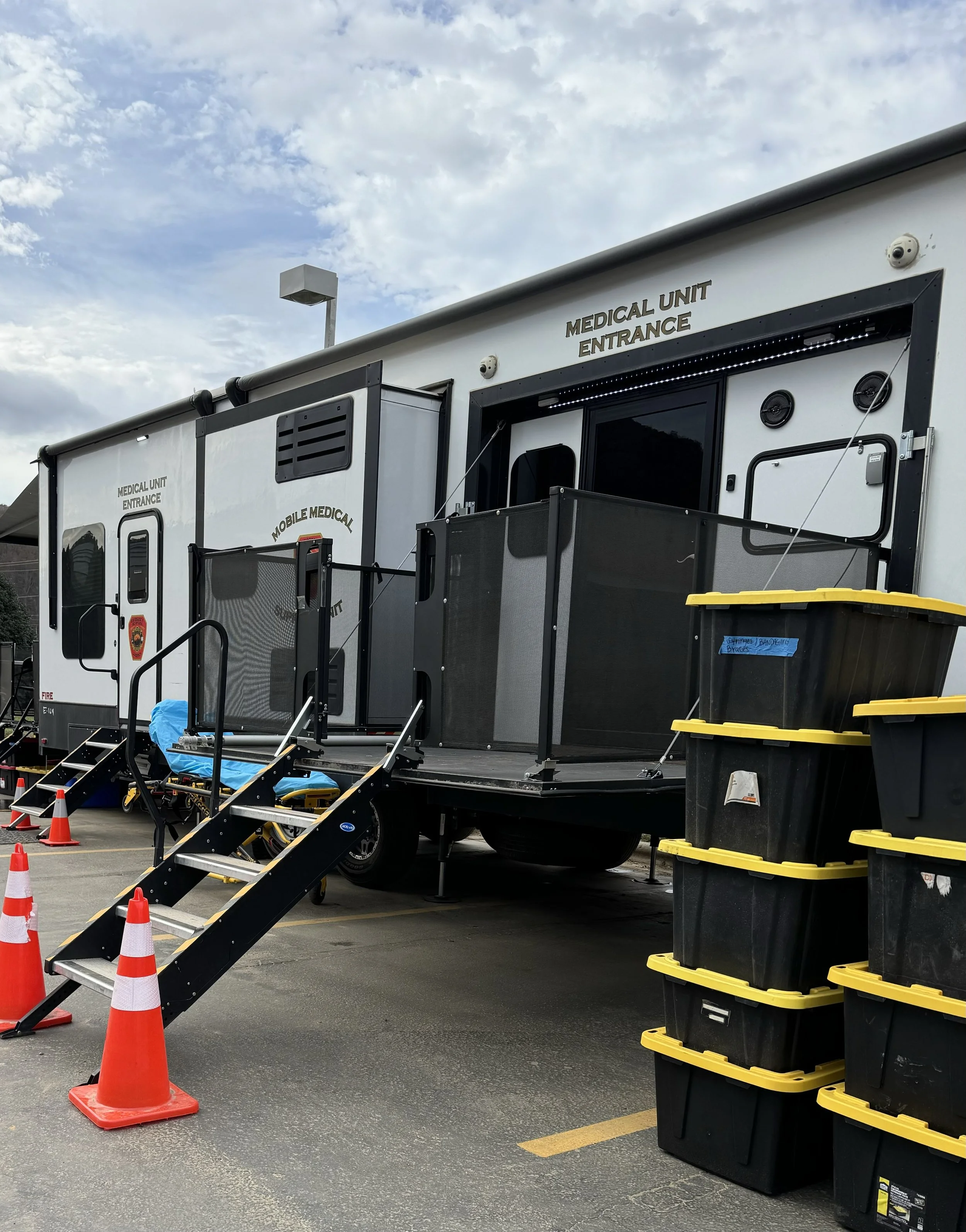
Our founder deployed to the region, traveling across Western North Carolina and Tennessee working alongside birth workers, volunteers, and supply hubs supporting displaced families.
The goal was simple.
Stabilize support for pregnant and postpartum families in the middle of an unfolding disaster.
This work included coordinating perinatal supply distribution, supporting infant feeding safety education, and strengthening collaboration across the regional birth community.
Protecting Infant Feeding During Disaster
One of the most critical but often overlooked aspects of disaster response is infant feeding safety.
During emergencies, disruptions to clean water, sanitation systems, and supply chains can create serious health risks for newborns.
Working alongside SAFE Feeding and members of the North Carolina birth community, RESPITE helped educate volunteers and families about safe infant feeding practices during crisis conditions.
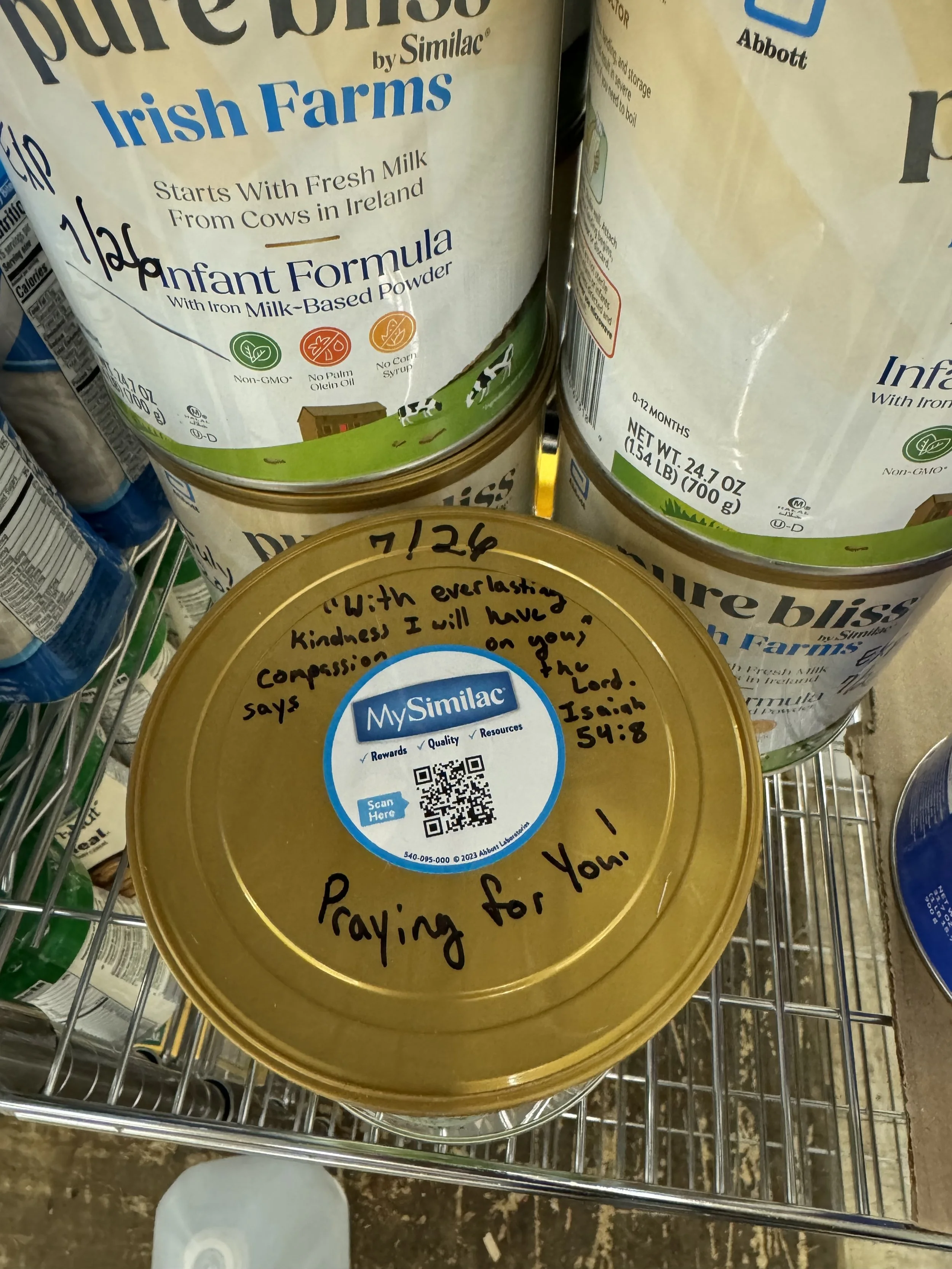
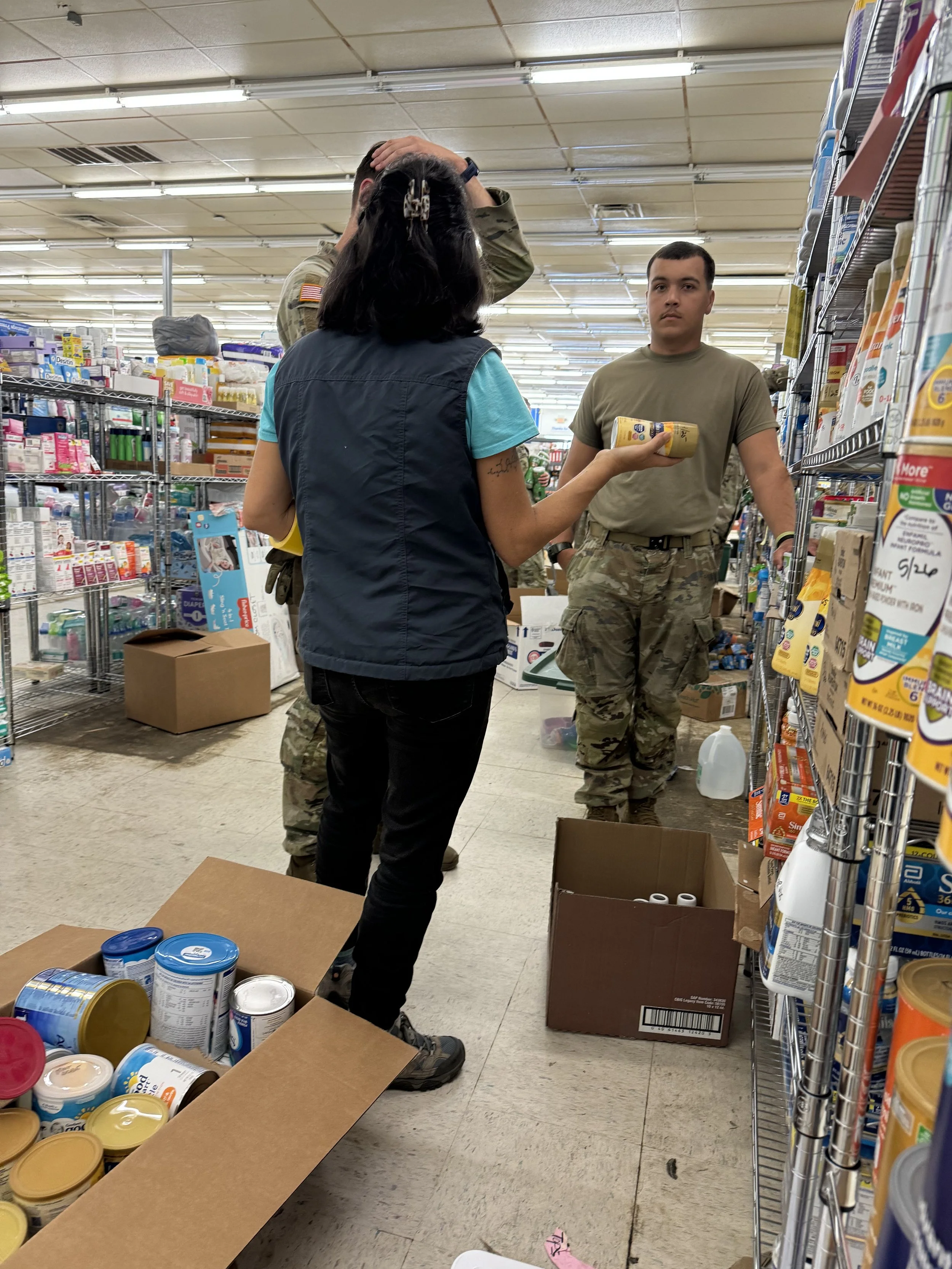
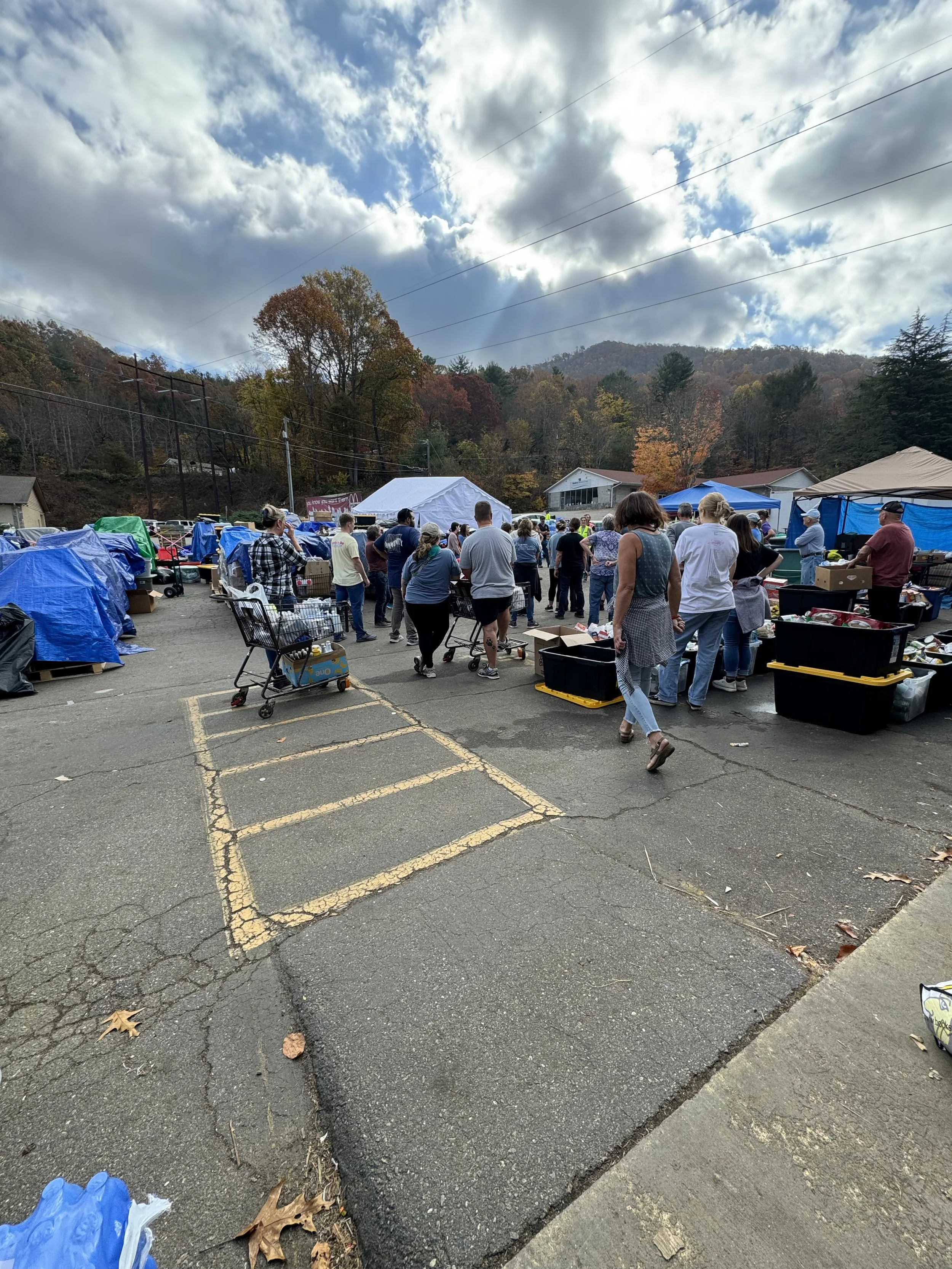
Relief supply hubs were receiving large quantities of donated formula, including thousands of expired cans that had been unintentionally mixed into distribution streams.
These products posed serious risks to infants.
Our team helped identify and remove expired formula from supply hubs while reinforcing Infant Feeding in Emergencies protocols with volunteers and relief coordinators.
This work helped prevent further harm to newborns already navigating unstable conditions.

Delivering Essential Perinatal Supplies
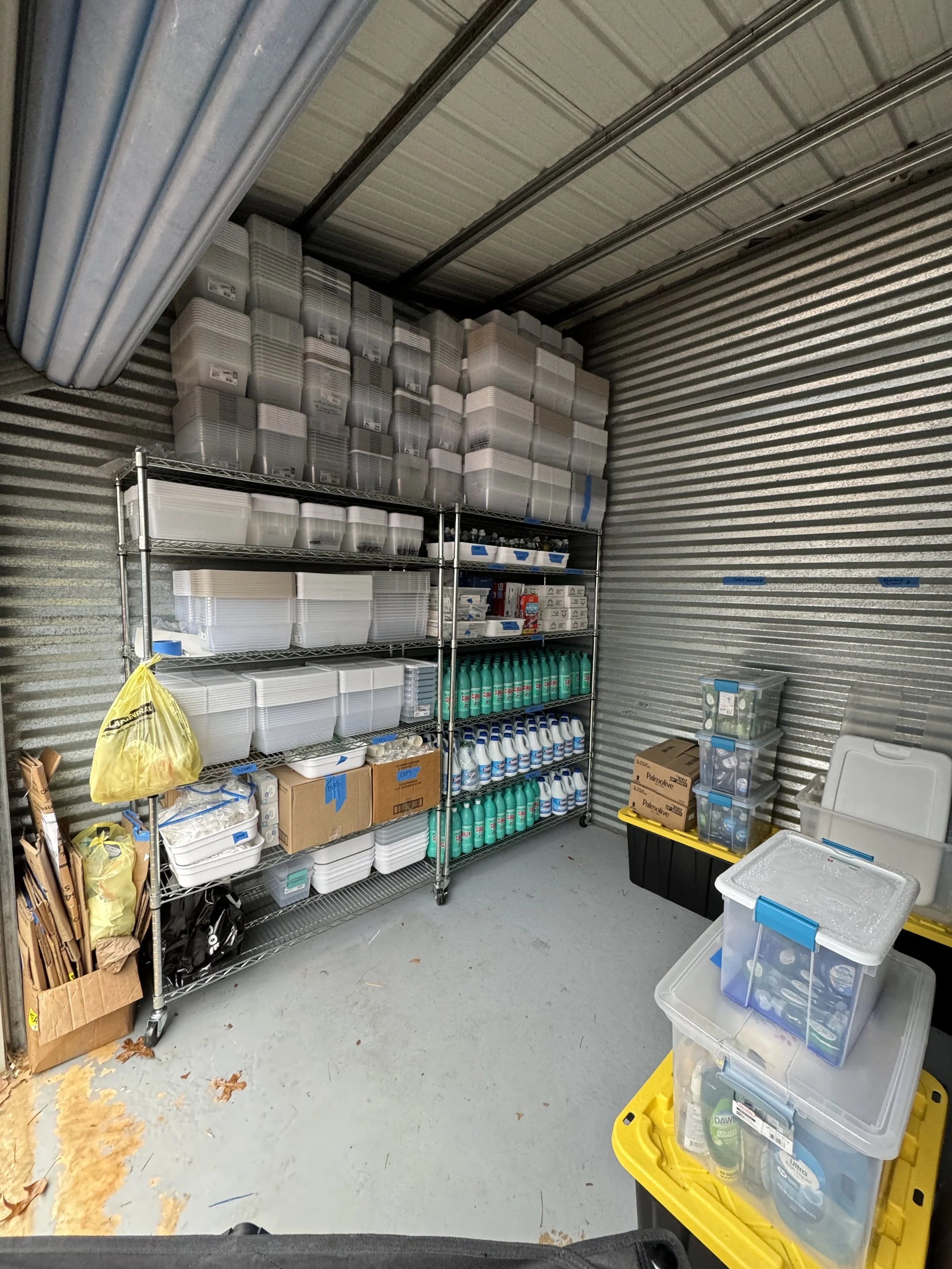
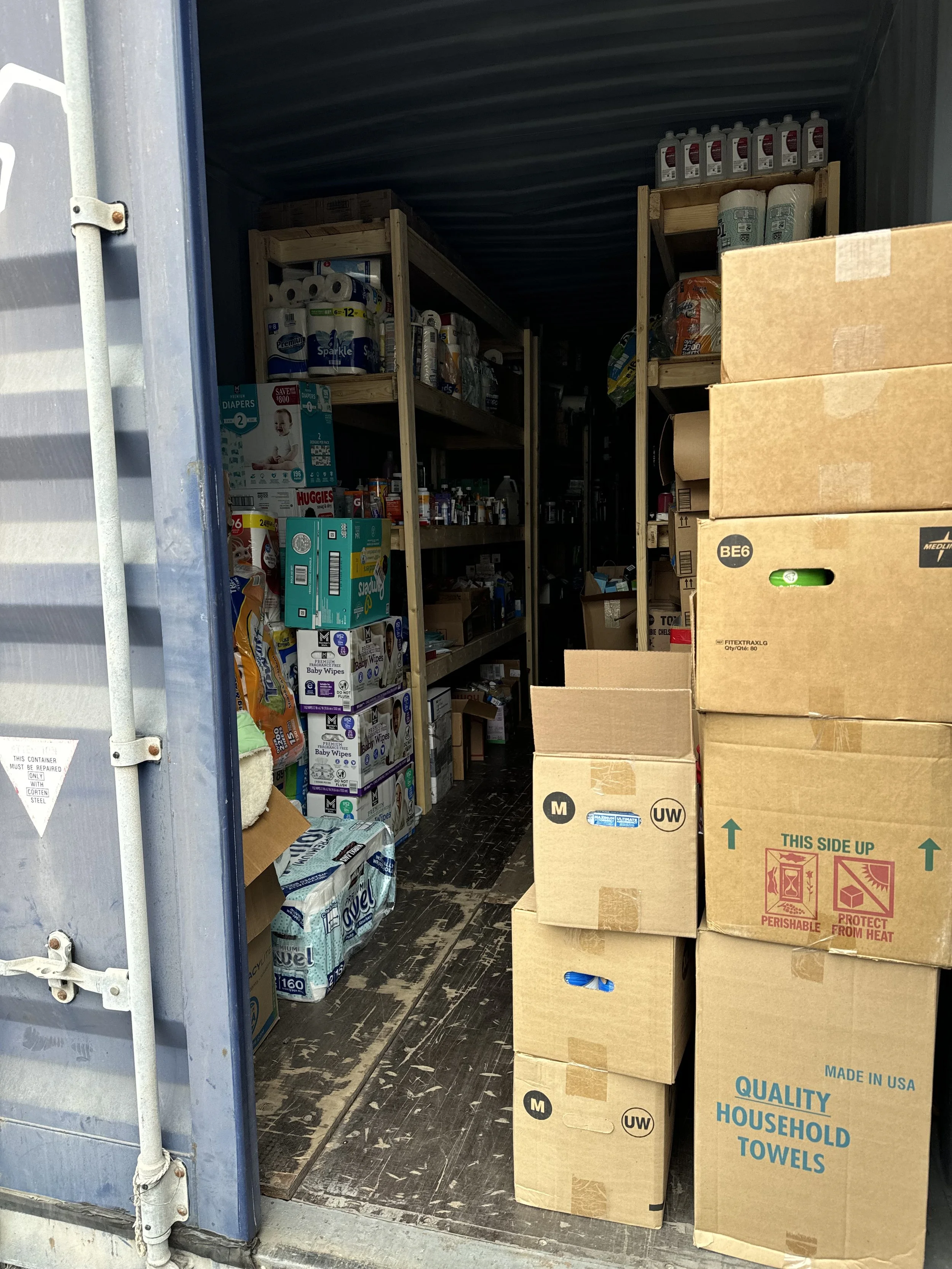
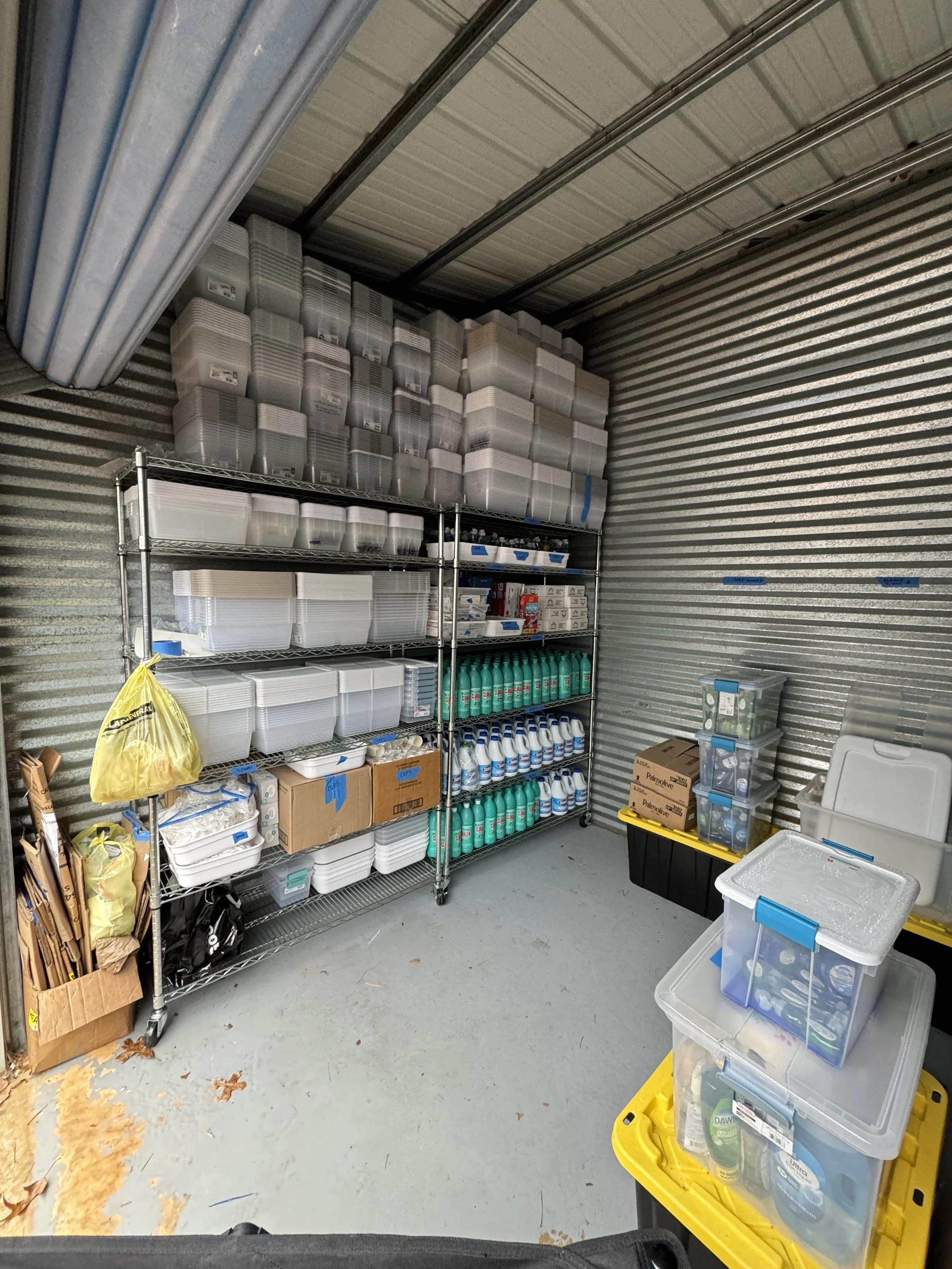
During deployment we coordinated the delivery of critical supplies for families and birth professionals across the region.
These included:
• Baby carriers to help caregivers keep infants close and regulated
• Blankets and cold weather supplies for displaced families
• Midwifery supply kits for community birth providers
• Clean infant feeding kits distributed alongside safety education
• Postpartum recovery supplies for mothers navigating displacement
Distribution was coordinated through local supply hubs and the regional birth community to ensure resources reached families who needed them most.
This was not random donation distribution.
It was coordinated perinatal stabilization during disaster.
Advocacy During Crisis
Disasters often expose deeper systemic gaps.
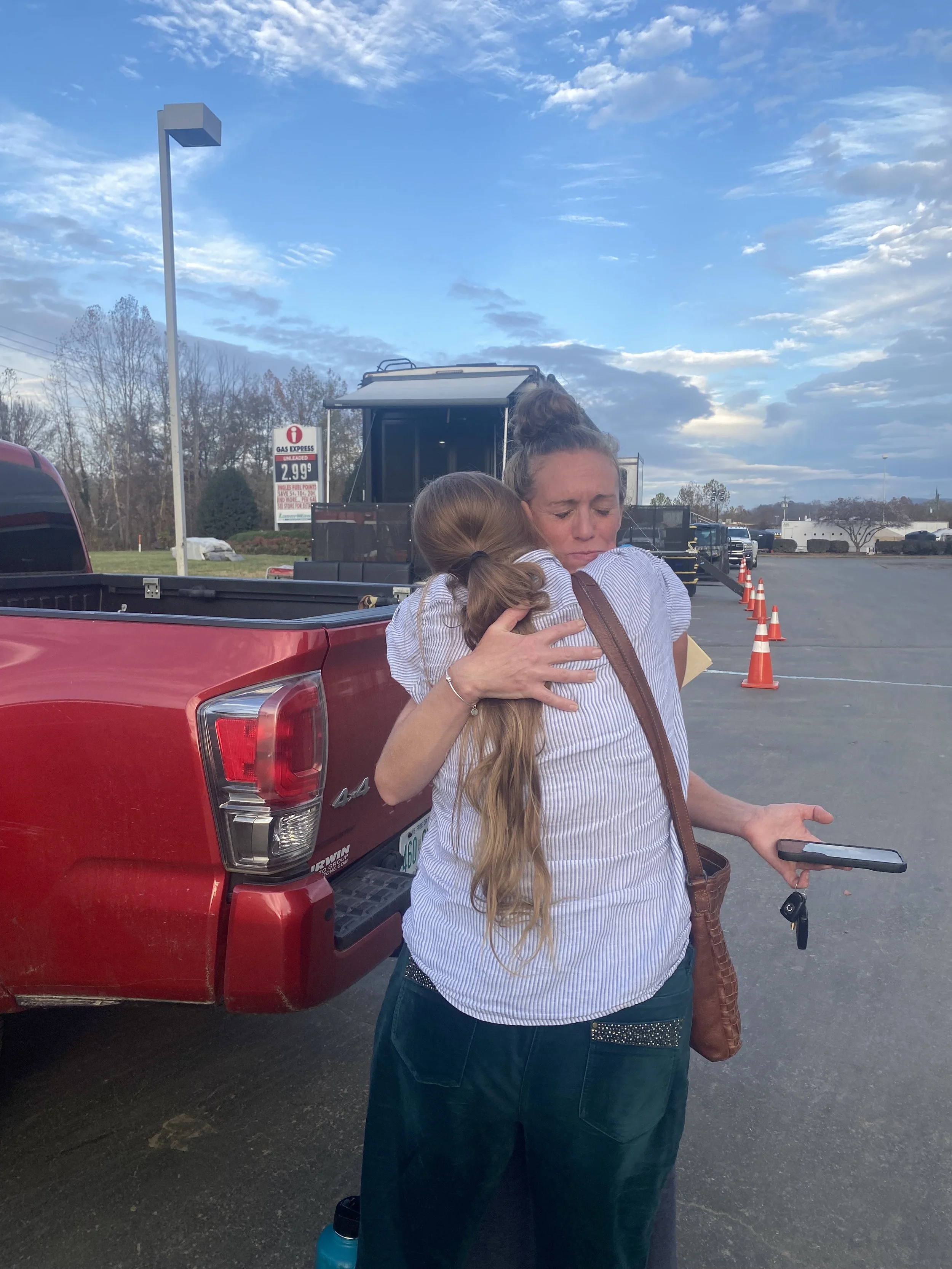
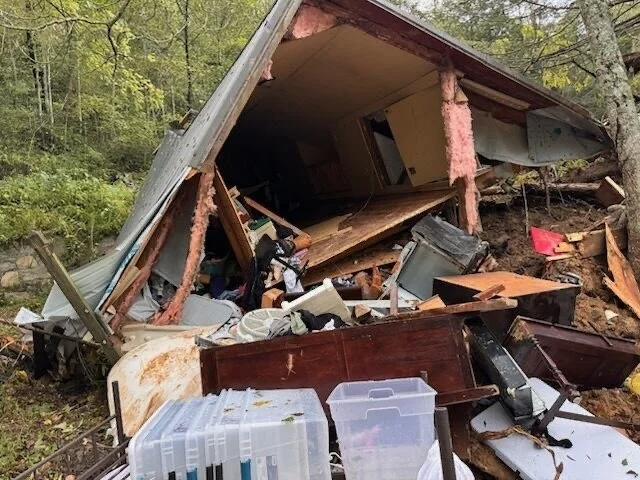
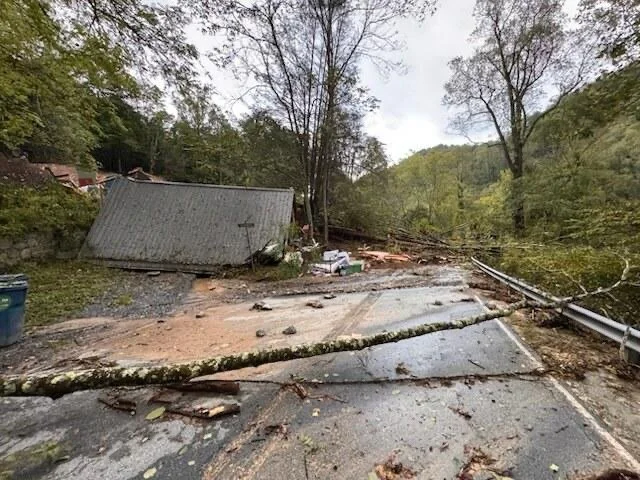
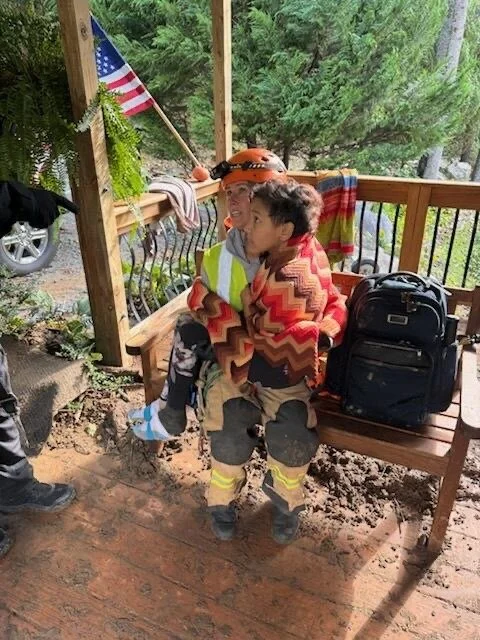
While supporting response efforts in Western North Carolina, RESPITE began working alongside a mother whose family had survived a devastating landslide during the storm.
After spending nearly ten hours digging her children out of debris, the family faced additional instability while navigating recovery systems and shelter transitions.
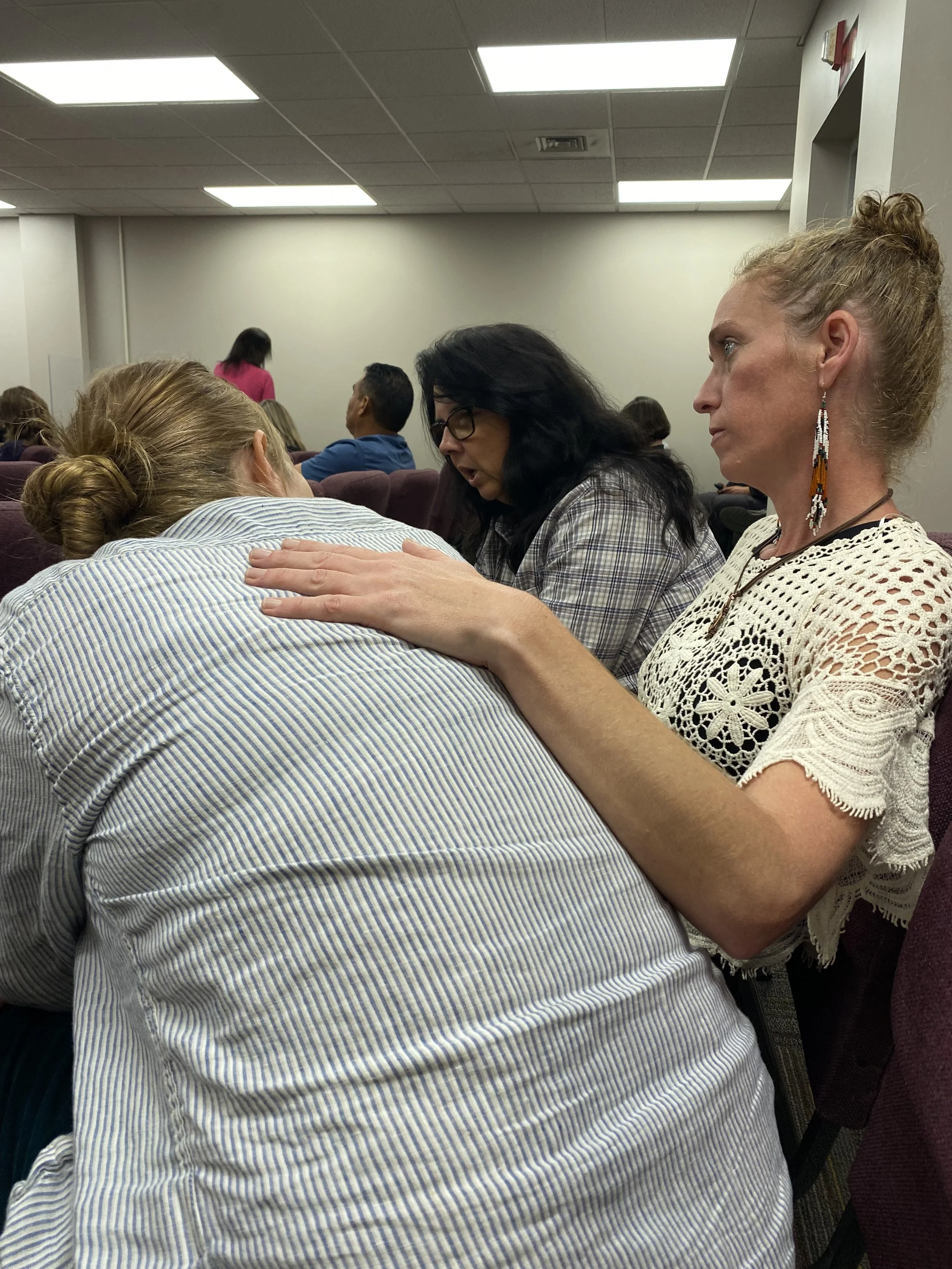
RESPITE continued supporting advocacy efforts after returning home. Community members rallied to support the family, raising nearly $30,000 to assist with recovery and legal needs.
After months of advocacy and community support, the children were reunited and returned home.
This experience reinforced an important truth.
Disaster response must include advocacy and protection for vulnerable families, not just supplies.
Read the full story →
Preparing Communities Before the Next Disaster
Disaster preparedness begins long before the next storm arrives.
Through the Perinatal Health Coalition, RESPITE works to expand maternal health education and preparedness across communities.
One of the ways we do this is through the WOMB Summit and Expo, which brings together birth professionals, educators, families, and community leaders to strengthen knowledge around maternal health, infant feeding safety, and emergency preparedness.
Prepared communities are safer communities.


What We Witnessed
Disaster response reveals realities that are often invisible within everyday systems.
While working across Western North Carolina and Tennessee following Hurricane Helene, we witnessed the challenges families were navigating in real time.
Pregnant people trying to access care while transportation routes were disrupted.
Newborns needing safe feeding support when sanitation systems were unstable.
Families navigating shelters, supply hubs, and relief systems while trying to protect their children.
Volunteers doing their best to help without always having the training or resources needed to support infant feeding safely.
Community birth workers stepping forward to support families when traditional systems were overwhelmed.
These moments reinforced something we already knew.
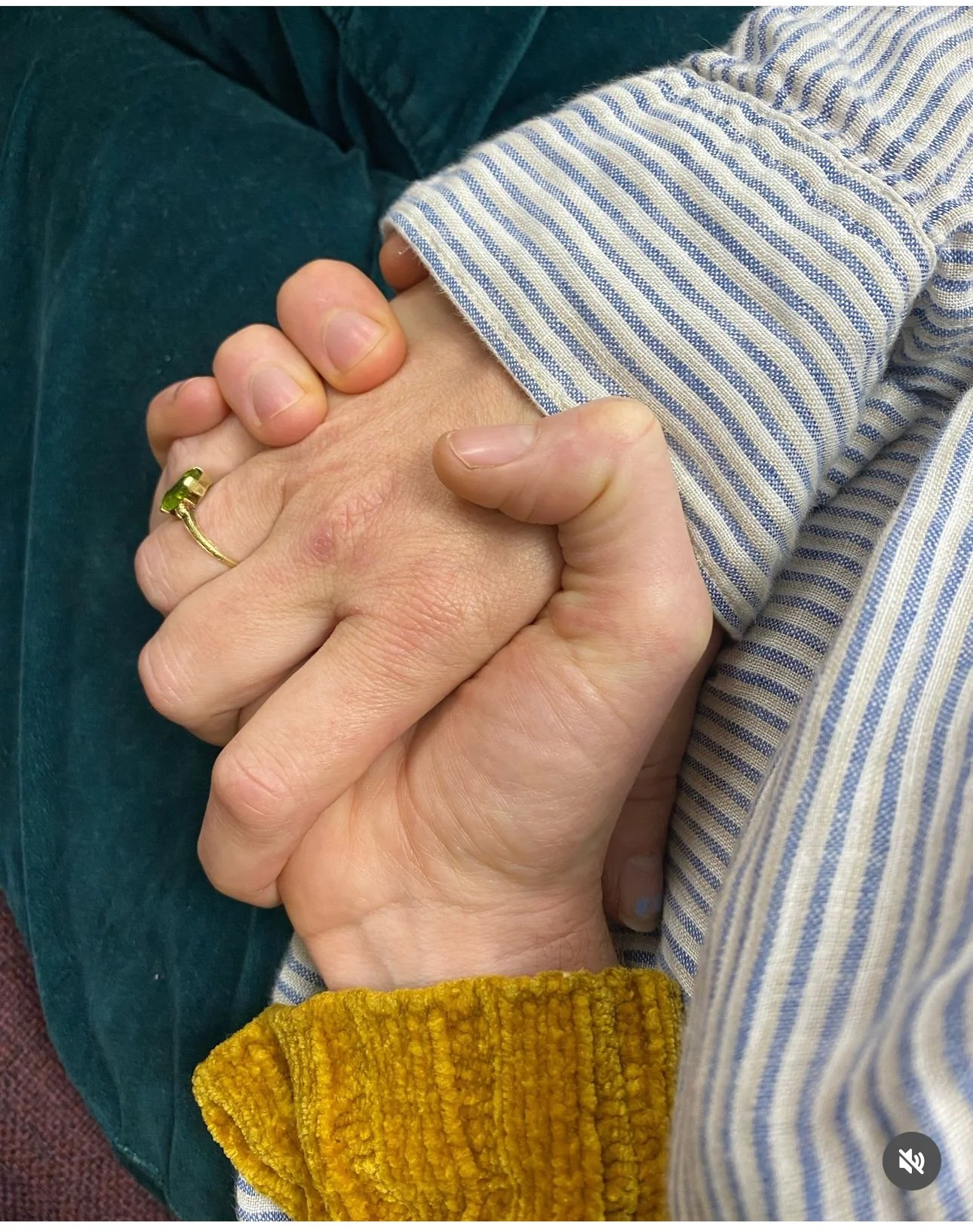
Pregnancy, birth, and postpartum recovery do not pause during disaster.
And emergency response systems must be prepared to support families through these critical moments.
Building a Perinatal Disaster Response Model
RESPITE is working to build a scalable model for perinatal disaster preparedness and response.
Community Education and Preparedness
Disaster preparedness does not begin when the storm arrives. It begins long before through community education and professional training.
RESPITE works to bring this knowledge into the public through regional events, professional gatherings, and hands on training opportunities.
One of the primary ways we do this is through the WOMB Summit and Expo, an annual gathering focused on maternal health, emergency preparedness, and community resilience.
The WOMB Summit brings together:
• Doulas and midwives
• Public health professionals
• Emergency responders
• Infant feeding specialists
• Community advocates
• Families preparing for birth
Through workshops, panels, and skill based training, the Summit helps prepare both professionals and families to better support pregnant and postpartum people when systems are strained.
Topics include:
• Infant Feeding in Emergencies
• Community based disaster response
• Birth support during infrastructure disruptions
• Trauma informed crisis care
• Maternal health gaps during emergencies
Education is a core pillar of RESPITE's work.
When communities understand how to protect pregnant and postpartum families during disaster, outcomes improve and unnecessary harm can be prevented.
Preparedness is not only about supplies.
It is about knowledge, coordination, and building resilient networks before the next crisis.